Metal or Shingle: What Actually Differs for a Yakima Valley Home
Both roofs work, but they look, install and wear differently, and the details decide how well either one performs.
October 8, 2026 · 4 min read
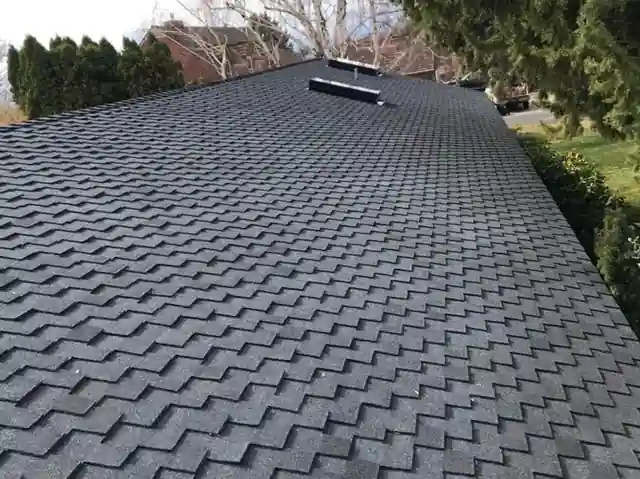
If you own a home in Wapato, Yakima or anywhere else in the Yakima Valley, sooner or later a roofer asks you a simple question: metal or shingle? Both are proven ways to cover a house. They look different, go on differently, and behave differently once the weather gets at them. Here's a plain look at what actually separates them, so the estimate conversation goes better.
Two roofs, two ways of shedding water
Asphalt shingles are small pieces that overlap. Each one is nailed to the roof deck, and the rows lap over each other like fish scales, so water runs downhill from piece to piece. Architectural shingles are the thicker, layered kind with a dimensional look. Three tab shingles are the older, flatter style with a uniform pattern of tabs.
Standing seam metal works differently. Long panels run from the ridge down to the eave, and neighboring panels lock together along a raised seam. The fasteners hide under that seam instead of sitting out in the weather. Water slides down a smooth channel instead of crossing hundreds of overlaps.
New Castle installs both. Their service list includes shingle roofing, three tab, metal roofing and sheet metal roofing, so nothing below is a push toward one side.
How each one looks from the street
Shingles give you a textured, familiar surface. The shadow lines on an architectural shingle add depth, and the color range runs from light gray to deep charcoal and brown. A shingle roof fits quietly into almost any street.
Standing seam gives you clean vertical lines. In a dark panel it reads crisp and modern. In bronze or green it can sit just as comfortably on a farmhouse or a mountain cabin. If curb appeal is driving the decision, hold a sample against your siding and trim in daylight, not under showroom lights.
Where the installation differs
A shingle job starts with a tear-off of the old roof and a look at the deck underneath. Then comes underlayment, and shingles laid course by course. Crews can work around dormers, valleys and odd shapes with small pieces, which makes shingles forgiving on a complicated roof.
Metal is more precise. Panels are cut or formed to length, and the roof field is so clean and simple that the trim carries the weather. Chimneys, valleys, hips, ridges and vent pipes all need properly made flashing. That's where a contractor who fabricates sheet metal has an edge. New Castle makes its sheet metal in-house, and its website says that work follows national SMACNA standards.
The takeaway is the same for either material. The details around edges and openings are what decide whether water finds a way in during the first hard storm of the year.
How the Yakima Valley weather plays into it
The valley swings between hot, dry summers and cold winters, with wind and snow in the mix. Sun and temperature swings age every roofing material. Shingles can lose granules, curl or crack as they weather, and a missing shingle after a windy night is an easy repair to describe but one you want to catch early. Metal sheds snow quickly and doesn't soak up water, though thin or poorly detailed metal can dent or let a seam work loose.
Some homeowners notice rain on a metal roof more than on shingles. The decking, underlayment and attic insulation beneath the panels change that, so ask what's going under the metal, not just what's going on top.
Be wary of anyone who quotes you a number of years without having seen your roof. How long a roof lasts depends on the materials, the ventilation, the installation and the exposure of your particular house. Ask for what the warranty covers in writing, and ask who stands behind it.
Questions that settle it
- How long do you plan to stay in the house, and how much does the look of the roof matter to you?
- How many valleys, chimneys, skylights and vent pipes does your roof have? More details means more flashing to get right.
- Who makes the flashing and trim, and is it shaped for your roof or pulled from a stock bin?
- What does the warranty cover, and is it in writing?
- Will you get progress updates while the work is going on?
That last question has an easy answer at New Castle. Their residential page says they send update texts with pictures during an installation, so you can follow the job without standing in the yard all day.
Neither material wins every time. The right roof is the one that suits your house, your plans and the way it gets built. A good contractor will walk the roof with you, lay out both options and tell you which one they'd choose and why.
If you want to talk it over, call New Castle at (509) 941-8952, Monday through Saturday, 7am to 5pm, or send a note through the contact page. Estimates are free.
New Castle Roofing Systems, (509) 941-8952
Call (509) 941-8952More articles
TPO, PVC or EPDM? A Plain-English Guide for a Flat Commercial Roof
Three membrane names show up in nearly every commercial roofing proposal, and here is what separates them.
After a Windstorm: Checking Your Roof and Working With Your Insurer
Start from the ground, take photos before anything moves, and bring in someone who will stand beside you through the claim.